CES 2026: The Founder’s Anti-Fragile Advantage
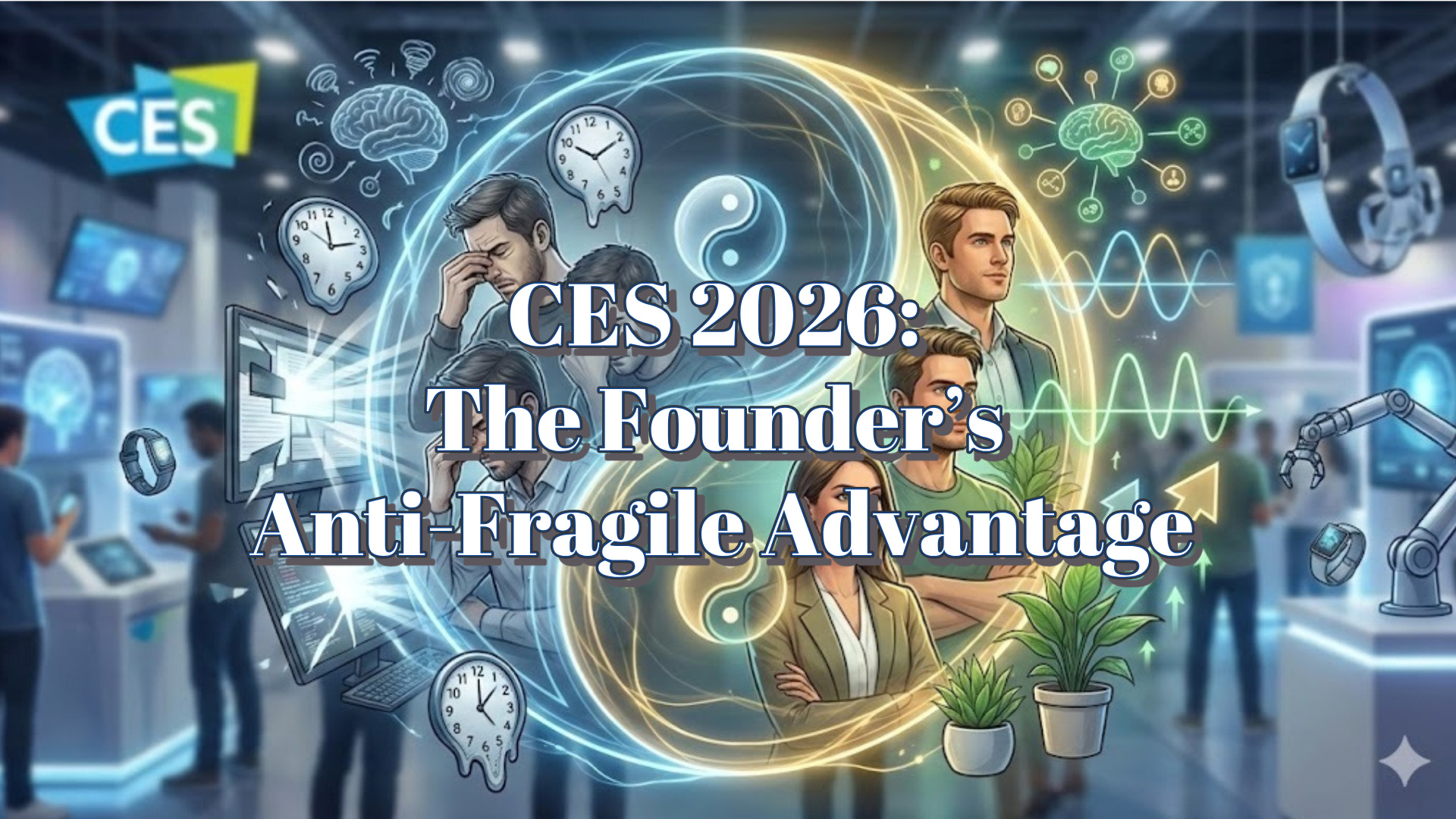
What we see at CES 2026 is not merely the evolution of sensors, algorithms, or devices. We are witnessing a deeper dialogue between civilizations around one fundamental question: how humans sustain themselves under accelerating pressure.
I. CES 2026 Health Tech Trends:
From Data Tracking to Closed-Loop Intervention
Over the past five years, the evolution of health technology at CES has followed a clear trajectory:
- 2021: Single metrics such as heart rate and blood oxygen
- 2023: Behavioural data integration with basic recommendations
- 2026: Multi-modal fusion, proactive intervention, and chronic risk prevention
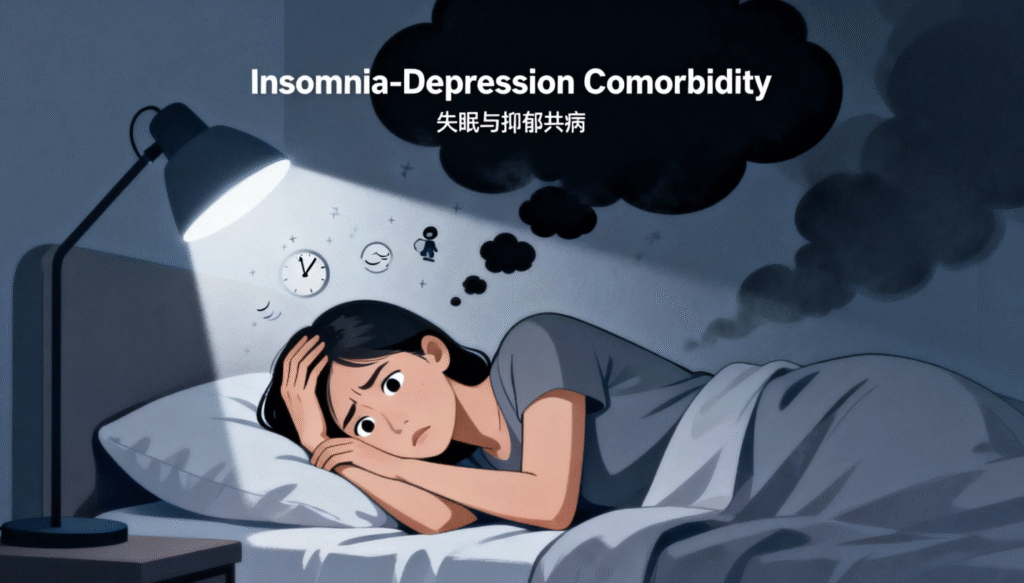
The most striking shift this year is the rise of insomnia–depression comorbidity as a core focus of health technology. This is no coincidence. High-pressure populations worldwide are experiencing a mental health crisis — and it is catalyzing a non-pharmaceutical intervention revolution.
Two CES-launched products illustrate this shift.
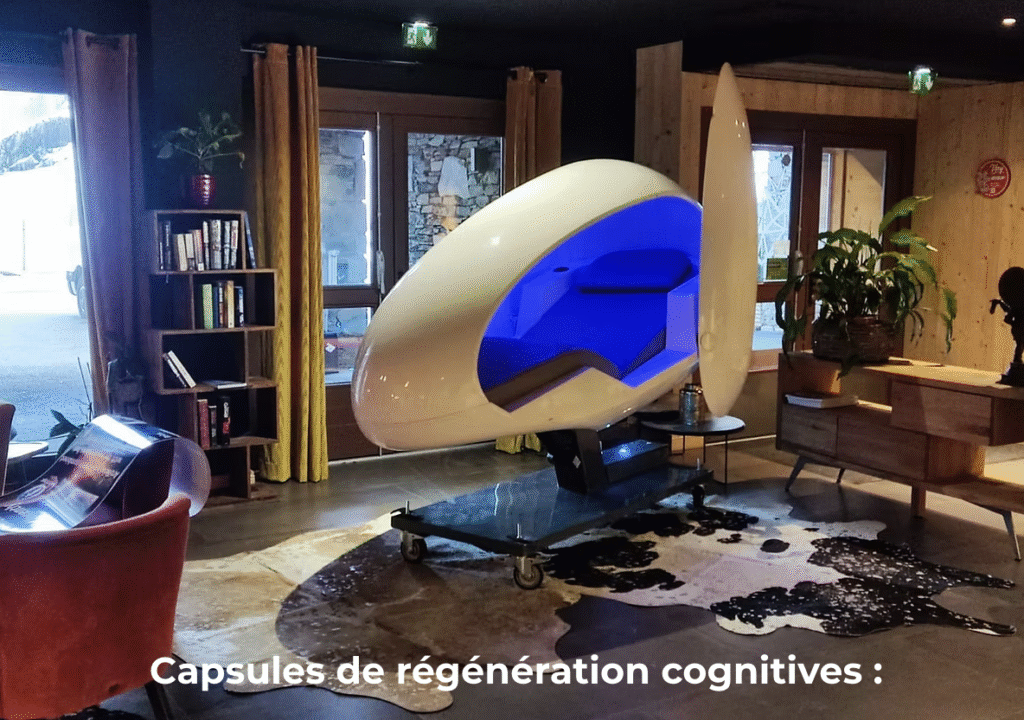
Zero-Gravity Mental Recovery Pods
Originally developed for astronauts, zero-gravity posture technology redistributes body weight evenly, significantly reducing muscular tension and physical stress. When integrated with a specialized helmet for immersive audio and cranial vibration therapy, these systems aim to improve sleep quality and emotional regulation. Already validated in French military settings, this technology is moving rapidly into premium consumer and enterprise wellness markets — signalling a future where recovery becomes infrastructure, not a luxury.
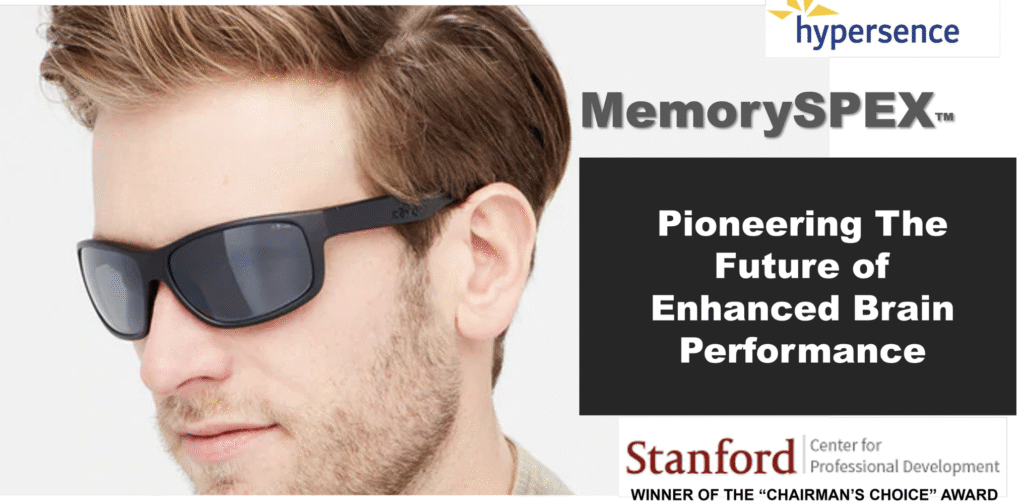
Non-Invasive Neurostimulation Glasses
These AI-powered wearable glasses apply 40Hz gamma-frequency light stimulation, inspired by neuroscience research exploring its potential role in supporting cognitive performance and neural regulation. Foundational studies from MIT and NIH-funded research suggest that gamma oscillations may enhance cerebral blood flow and activate brain mechanisms associated with beta-amyloid clearance — primarily demonstrated in preclinical models.
Positioned as cognitive support rather than a medical device, it represents a new wave of accessible, non-invasive consumer neurotechnology.
The unifying direction is clear: health technology is evolving toward a prevent–intervene–restore closed loop.
II. The Founder’s Blind Spot: Success Inside a Three-Way Health Storm
Founders are among the most exposed populations in this new reality.
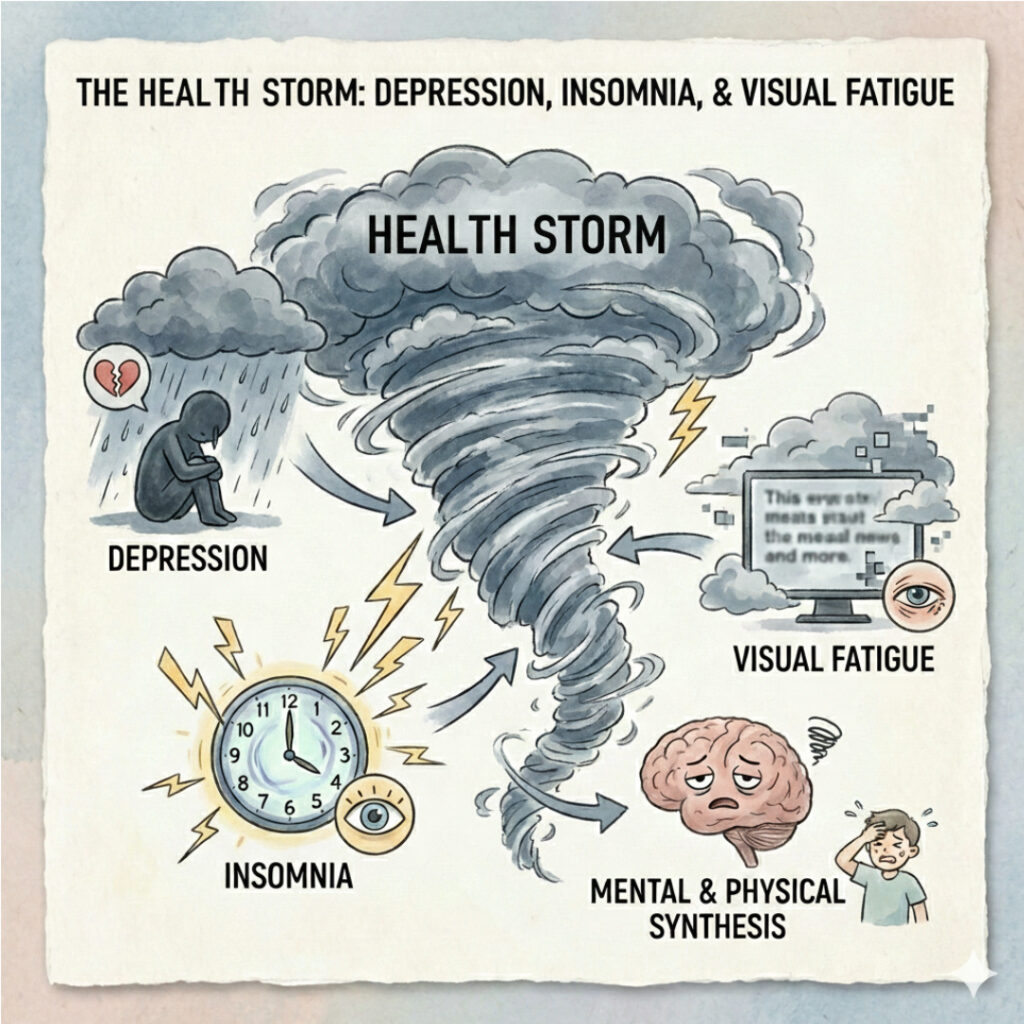
Chronic sleep deprivation, decision overload, relentless screen exposure, and emotional isolation create a perfect storm of depression, insomnia, and visual fatigue. External success often masks internal collapse.
Perhaps most instructive is Blake Mycoskie, founder of TOMS Shoes. After building one of the most iconic mission-driven companies of the 2000s — donating millions of shoes worldwide and selling half the company for $625 million — he fell into profound depression, anxiety, and chronic insomnia.
His experience reveals a hard truth: a mission without the physiological and psychological capacity to sustain it is unsustainable.
Even as AI becomes embedded in daily workflows, founder health is not improving. A Wall Street Journal investigation found that AI startup founders exhibit significantly higher rates of sleep disorders and psychological stress due to extreme work patterns and the myth of infinite productivity.
III. “Knowing When to Stop”: The Rarest Strategic Wisdom in the AI Era
At this point, Eastern philosophy offers something technology alone cannot: meta-wisdom.
The concept of 知止 (knowing when to stop) is not about retreat. It is about strategic throttling — the ability to reset systems before they collapse.
This wisdom operates on three levels.
1. Periodic Maintenance of the Physical System
As the Dao De Jing asks:
“Fame or life — which is more precious? Wealth or the body — which matters more?”
Over-optimization inevitably leads to depletion.

2. Active Management of Cognitive Resources
Zhuangzi, the 4th-century BCE Chinese Daoist philosopher, warned:
“Life is finite, but knowledge is infinite.”
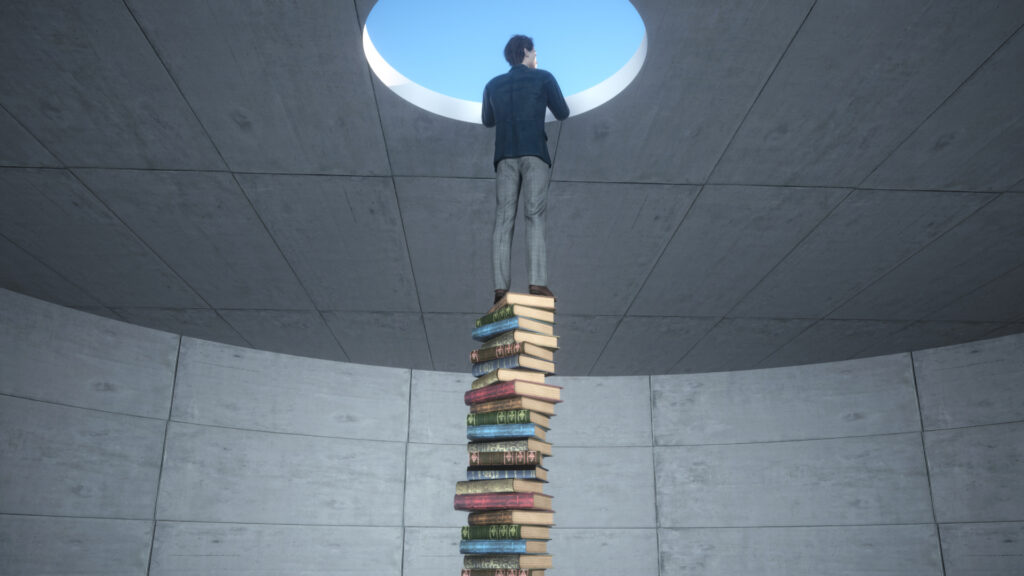
In an AI-driven information explosion, deliberate cognitive disengagement — not constant input — determines decision quality and creative insight.
3. Strategic Calibration of Business Rhythm
“One yin, one yang — this is the Dao.”
Pure acceleration violates system laws. Sustainable growth requires embedding restorative pauses (yin) into expansion and execution (yang). This balance is the foundation of anti-fragile organizations.
CES shows how tools can extend human capability — but knowing when to pause keeps those capabilities from turning against us.
The most sustainable innovators are not those who burn the brightest, but those who align body, mind, business cycles, and natural rhythms into long-term coherence.
The entrepreneurial journey can be lonely and high-pressure, and every ounce of stress and perseverance deserves to be seen. If this resonates, I invite you to share your entrepreneurial story with me via private message. Let’s accompany each other — balancing ambition with peace of mind — as we build what truly lasts.

You may also like